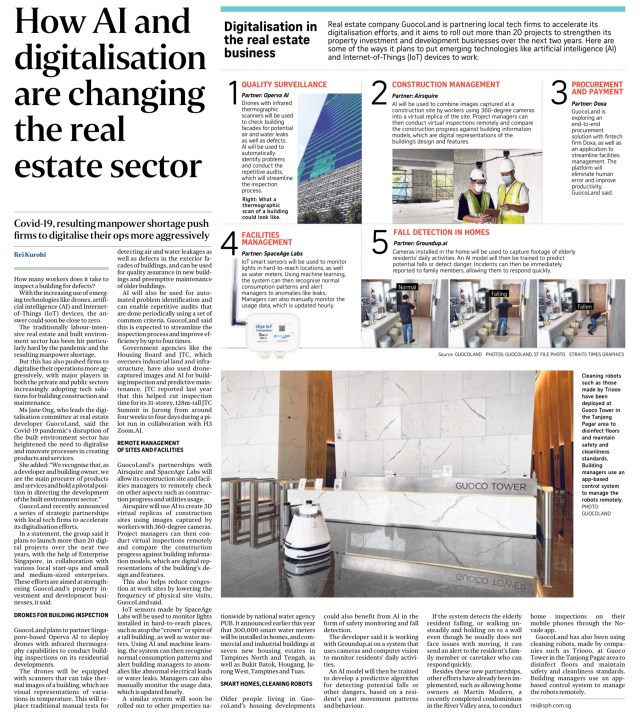
Don’t assume others will understand something easily just because you do

They call it the “curse of knowledge”. When you are working on something, you have its context, background and familiarity. You will tend to assume that the people around you also has the same level of understanding on that matter. And you get frustrated when they don’t. Similarly, they get frustrated with your lack of patience and understanding of their predicament.

I have seen this in tech implementations, organisational changes and different communication attempts. Tech folks design user interfaces which seem simple & intuitive to them, but which users struggle to use. Check out this article that used the design of a covid-19 self-test kit to illustrate the issue. Hopefully, this will help you discern what best to do the next time you are required to communicate a required action or design a system.

Will business travel ever return to pre-pandemic days?

Will you spend thousands of dollars if you can achieve the same outcome without having to? When businesses are trying to reduce costs, this may seem like a no-brainer. Of course, meeting face to face makes a great difference. The question is how frequent this needs to be. For as long as video calls can do the job, business travel will certainly see decline. This is confirmed by a survey amongst companies around the world.

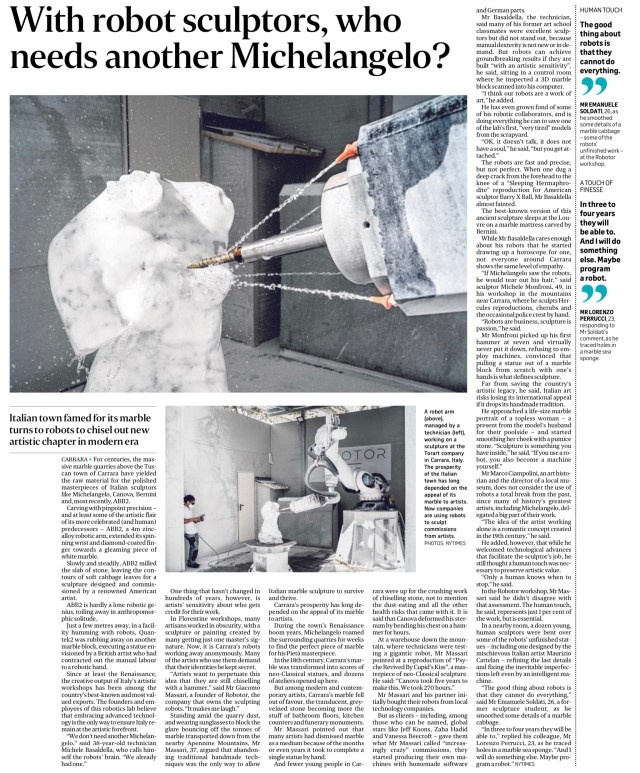
Robots operated remotely by people with diabilities

This is a really good way to provide jobs for the disabled. They may not be able to move around easily, but their robots can. So this cafe in Tokyo has cleverly enabled around 50 physically disabled employees to work 800km away. They control robots who bring the drinks/food to patrons in the cafe and interact with them. In this way, it is not a “robot” that the patrons interact with, but a real person – how smart! Let’s hope more companies will embrace such concepts and provide such jobs for the physically handicapped.

Insurance company adopting new business model

Innovation can be inspired by new technology, new business models or both. We are beginning to see the insurance sector adopt a subscription-based business model similar to that of Netflix and other companies. And insurance company Income is launching this via an app. This is certainly good for customers. Hopefully, other insurance companies will follow soon…

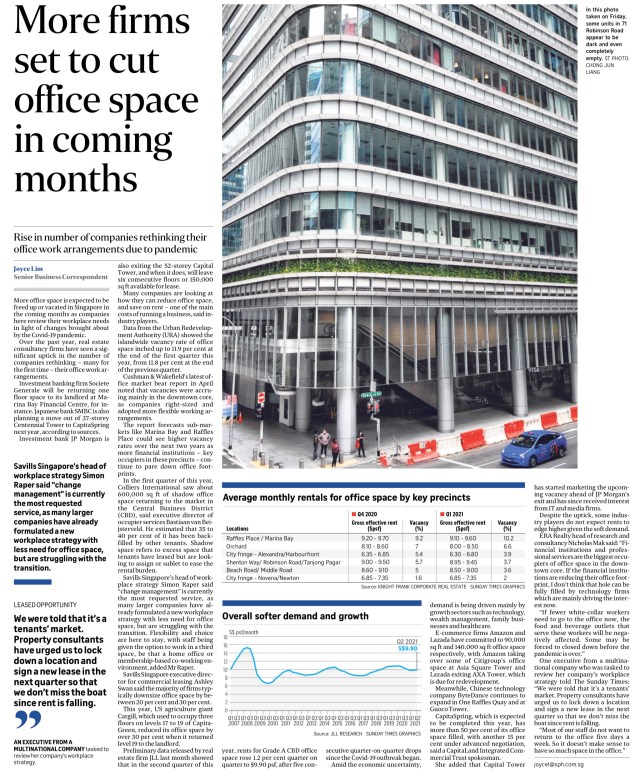
More firms set to cut office space…

With work-from-home becoming the norm and companies getting used to having employees operate from home, more companies are set to reduce their office space footprint. This will probably trigger a downward trend for commercial rents and a rising demand for shared office operators like Regus & Wework.

On the other hand, there are worries that office vacancies in New York will hamper recovery.

Shalom Christian Media Goes Online

We congratulate Shalom Christian Media (SCM) for the successful launch of their Online Bookstore (www.shalomchristianmedia.com) . We are glad to be their implementation consultant in this project.

http://www.shalomchristianmedia.com

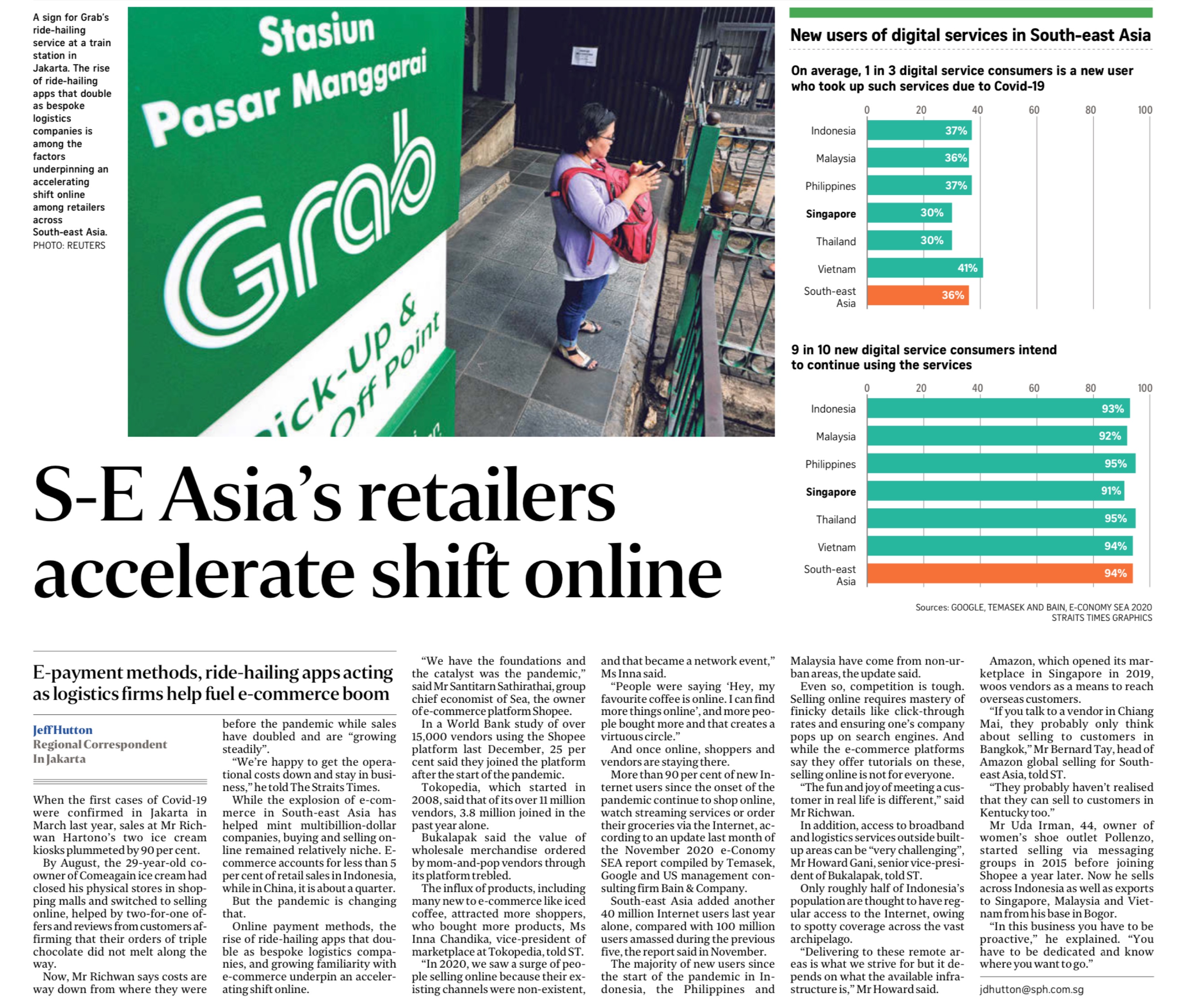
It was our honour to partner SCM in this undertaking, streamlining the end-to-end process – procurement, inventory management, last mile logistics, digital marketing, accounting – a transformation from brick & mortar to co-existence of the physical & virtual store. Do check out this digitalisation success!

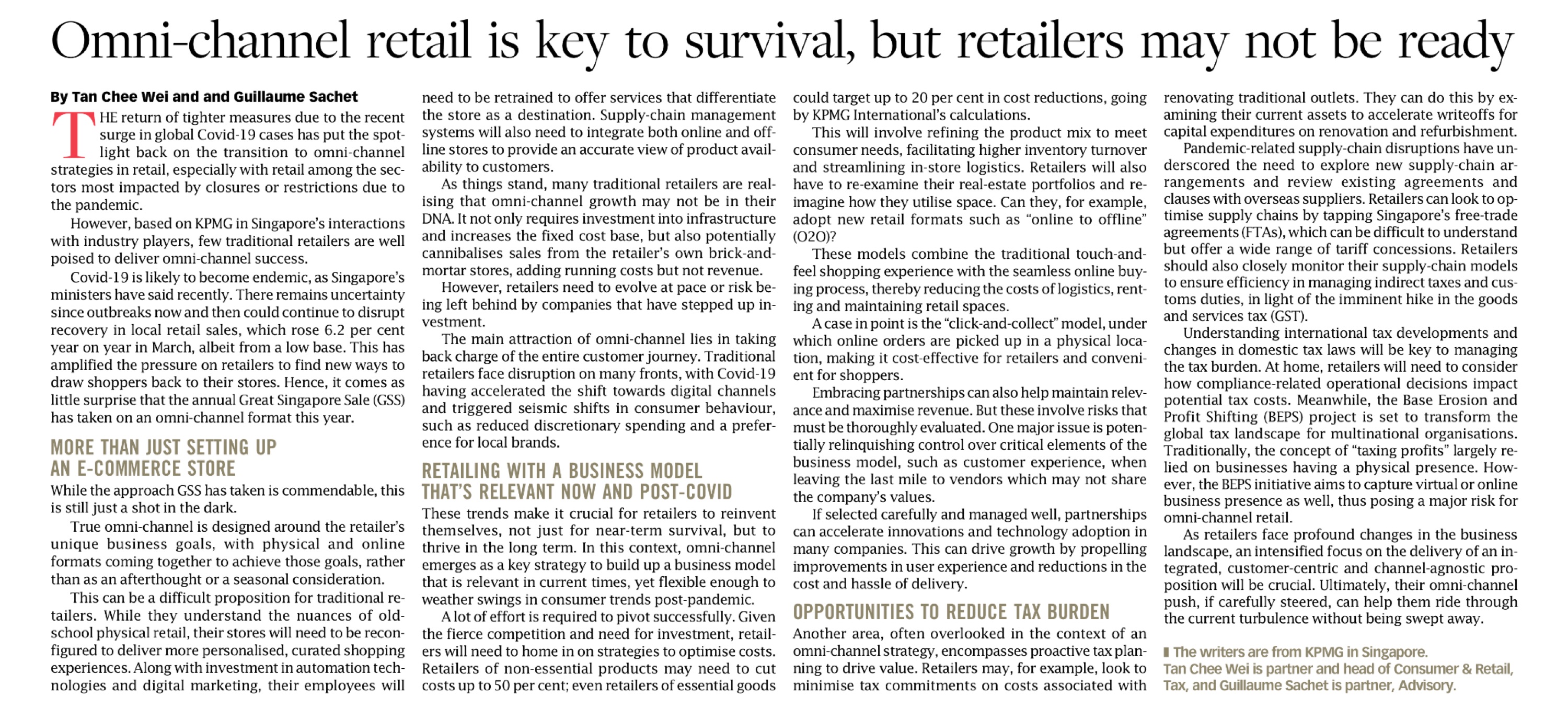
Omni-channel retailing – the way ahead

Rental & salaries are usually the top two cost items on retailers’ P&L. How can they manage these effectively in the face of the online shopping trend?

Some retailers (like Robinsons) have totally gone online. But is this the best thing to do since there are still customers who prefer to do physical shopping? There are others who have adopted an omni-channel approach – which I think may be the way to go. But it will require careful management of processes so that the experience of the shopper is not compromised.

Take inventory as an example. You need to maintain two separate sets of inventory, yet attempt to optimise it such that either channel can draw on the other. The online customer cannot experience a situation where his order was given to the customer who was at the store physically. Just how ready are retailers to embrace such operations? Check out this article.