Don’t assume others will understand something easily just because you do

They call it the “curse of knowledge”. When you are working on something, you have its context, background and familiarity. You will tend to assume that the people around you also has the same level of understanding on that matter. And you get frustrated when they don’t. Similarly, they get frustrated with your lack of patience and understanding of their predicament.

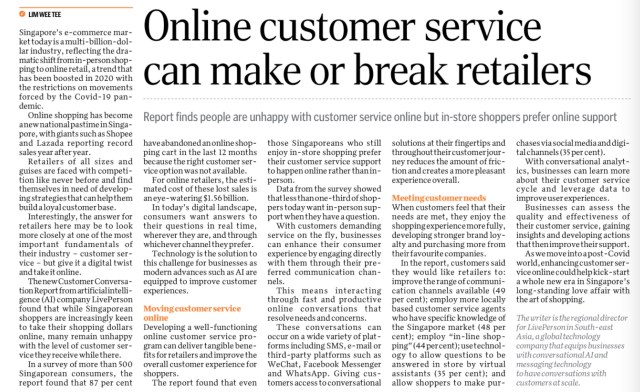
I have seen this in tech implementations, organisational changes and different communication attempts. Tech folks design user interfaces which seem simple & intuitive to them, but which users struggle to use. Check out this article that used the design of a covid-19 self-test kit to illustrate the issue. Hopefully, this will help you discern what best to do the next time you are required to communicate a required action or design a system.

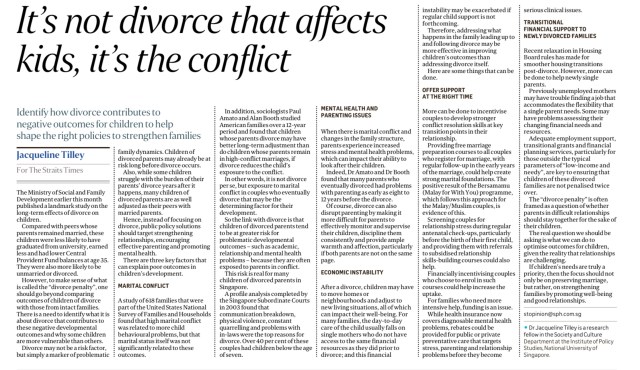
It’s people conflicts that impedes performance

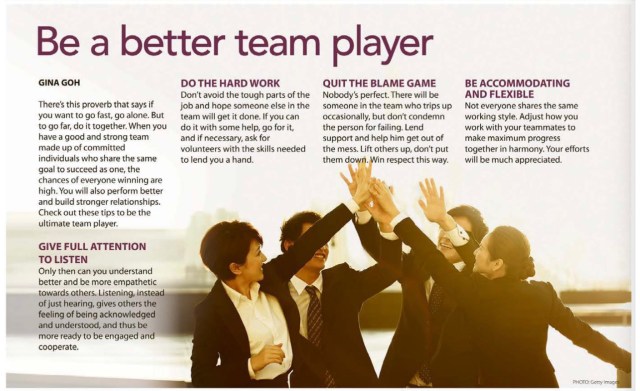
It’s not divorce that affects kids, it’s the parental conflicts. In the same way, it is people conflicts that impedes individual and team performance. In the world of executive coaching, we call these “interferences”. The resolution? You will not be able to change others; you can only manage how you respond to their behaviours. Your response could change their behaviours and attitudes. While that’s not guaranteed, the good thing is that your positive response will likely make you a better person. Food for thought!

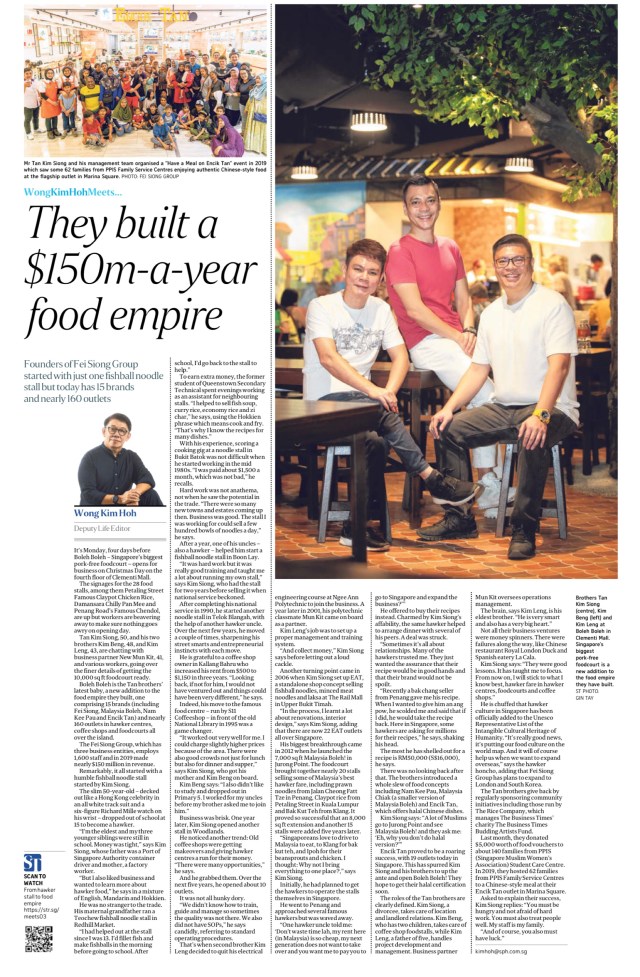
The value of values in economic growth

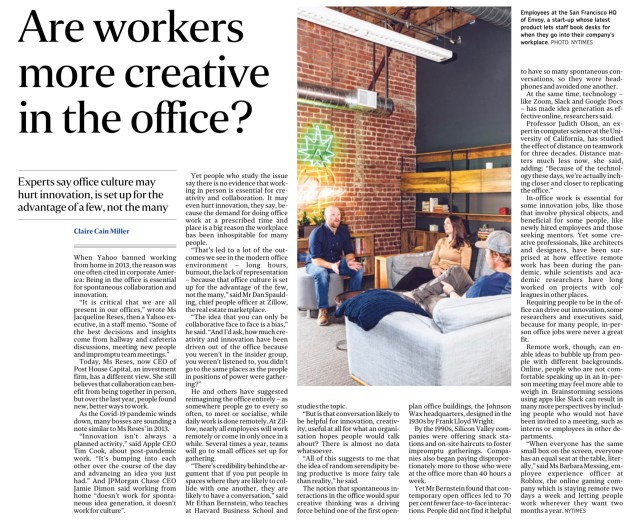
When countries pursue economic growth at all costs, they will soon find themselves “without a soul”. Hence, I find this article so appropriately put – the value of values in economic growth. When economic growth is experienced embracing values, the social fabric of the country remains strong. The same will be true for companies. Growth should never be at the expense of values. Check out this article.

Malaysia misses Vision 2020 target

I vividly recall how the country was energised by the vision of then Malaysian PM Dr Mahathir to bring the country to first-world standards by 2020. Now there is a new “Shared Prosperity Vision 2030” target to create a more equitable economy to make the country the centre of Asia. What can we learn from this when setting visions for companies? What can we do in tracking execution plans so that visions can be re-calibrated or have the runway extended?